This Is Why Bariloche’s Wild Heart Steals Every Traveler’s Soul
Nestled where the Andes kiss endless lakes, Bariloche isn’t just a destination—it’s a pulse. I’ve chased sunsets over alpine peaks and wandered silent forests where snow-laden trees stand like sentinels. Here, nature doesn’t whisper; it roars in wind, ice, and crystal-clear water. Whether you’re hiking untouched trails or sipping chocolate with a mountain view, Bariloche reshapes your idea of beauty. This is raw, unfiltered Patagonia at its most accessible—and most unforgettable.
The First Glimpse: Arriving in Bariloche
Reaching Bariloche is part of the journey’s magic. Most travelers arrive by air through San Carlos de Bariloche Airport, with daily flights from Buenos Aires and seasonal connections from other Argentine cities. The descent offers the first breathtaking view—endless shades of blue and green stitched together by mountain ridges and winding rivers. Others choose the scenic route, boarding comfortable long-distance buses from cities like Neuquén or even extending the trip from El Calafate after visiting the southern glaciers. For those who love the open road, driving from the east across the Patagonian steppe presents a dramatic transition—from flat, windswept plains to the sudden rise of forested slopes and glacial lakes.
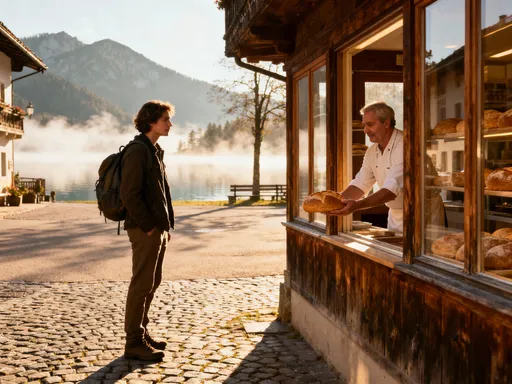
Stepping into Bariloche feels like entering a storybook. The town is framed by the deep blue of Nahuel Huapi Lake and the rugged spine of the Andes. Wooden chalets with steep roofs and stone chimneys evoke a Swiss alpine village, yet the surrounding wilderness is unmistakably Patagonian—wild, untamed, and alive with the sounds of wind through lenga trees and distant bird calls. This harmony of human comfort and natural grandeur creates a rare balance. Visitors find well-marked trails just minutes from downtown, artisan shops selling hand-knit wool and local honey, and cozy cafes where the scent of warm chocolate fills the air.
What makes Bariloche exceptional is its role as a gateway. Unlike remote outposts deep in the wilderness, this town offers modern amenities without sacrificing proximity to pristine nature. Families, solo travelers, and outdoor enthusiasts alike can rest in heated lodgings, enjoy reliable internet, and still be on a secluded mountain trail within an hour. This duality—urban convenience nestled within wild terrain—makes Bariloche an ideal starting point for exploring Patagonia. It welcomes first-time visitors with open arms while offering seasoned adventurers a reliable base for deeper expeditions into Nahuel Huapi National Park and beyond.
Lakes That Define a Region: Nahuel Huapi and Beyond
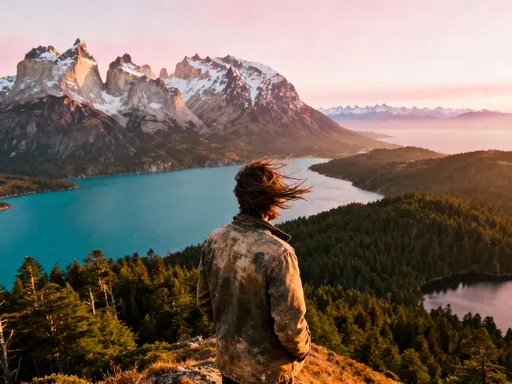
Nahuel Huapi Lake is the beating heart of the region, spanning over 544 square kilometers and reaching depths of more than 400 meters in places. Formed by ancient glaciers, its turquoise waters reflect the surrounding peaks like a polished mirror. The lake isn’t just beautiful—it’s ecologically vital, supporting a delicate balance of aquatic life, native fish species, and migratory birds. Its presence shapes the local climate, moderating temperatures and feeding countless streams that ripple through the forests. For travelers, it offers both adventure and tranquility, depending on where and how you choose to experience it.
One of the most popular ways to explore the lake is by boat tour from Puerto Pañuelo, located just 25 kilometers north of the city. These cruises glide past forested shores, stopping at remote islands such as Isla Victoria, where ancient arrayán trees grow in twisted, silver-barked clusters. Some tours include guided walks through protected sectors of the national park, while others continue to the far side of the lake, docking at the charming village of Puerto Blest before returning through the misty narrows of the Blest River. These full-day excursions provide a comprehensive view of the region’s aquatic beauty, allowing travelers to witness landscapes inaccessible by road.
Beyond Nahuel Huapi, other lakes offer quieter, more intimate experiences. Lago Gutiérrez, just a short drive from town, is a favorite among photographers and nature lovers. Its still waters perfectly mirror the silhouette of Cerro Campanario, especially at dawn when the surface is glassy and the air crisp. Families often picnic along its shores, and kayaking is a popular low-impact activity, especially in summer. Lago Moreno, nestled in a wooded valley, is smaller and less visited, making it ideal for those seeking solitude. Its walking trails wind through native forest, offering glimpses of woodpeckers, foxes, and even the occasional deer.
These lakes are not just scenic backdrops—they are living parts of the ecosystem and essential to the region’s tourism economy. Local operators follow strict environmental guidelines to minimize impact, using low-emission boats and limiting group sizes. Visitors are encouraged to respect protected zones, avoid littering, and refrain from swimming in sensitive areas. When approached mindfully, lake exploration becomes a form of connection rather than consumption. Whether gliding across open water in a sailboat or sitting quietly on a rocky shore with a thermos of tea, the lakes of Bariloche invite reflection and wonder in equal measure.
Mountains That Move You: Hiking the Cerros
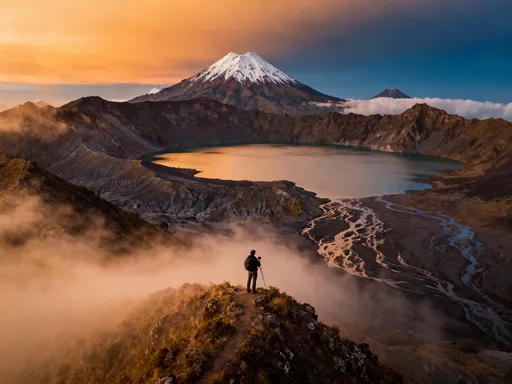
The mountains around Bariloche—known locally as *cerros*—are more than scenic backdrops; they are destinations in their own right. Among the most iconic is Cerro Campanario, accessible via a short cable car ride or a steep 2.5-kilometer hike. At 1,058 meters above sea level, its summit delivers one of the most celebrated panoramic views in Patagonia, encompassing Nahuel Huapi Lake, Isla Victoria, and a sweeping vista of up to seven lakes on clear days. Sunrise here is a transformative experience—golden light spilling over the peaks, the water shifting from indigo to silver, and the forest awakening beneath a veil of mist.
For those seeking a greater challenge, Cerro Otto offers longer trails and a higher summit at 1,405 meters. The hike begins through dense lenga forest, gradually opening to alpine meadows and rocky outcrops. Along the way, hikers may spot native birds like the chucao tapaculo or the Andean condor circling overhead. A modern chairlift operates in winter for skiers, but in summer, the ascent is reserved for foot travel, preserving the sense of effort and reward. At the top, a circular lookout platform provides 360-degree views of the surrounding massifs and the distant glow of glacial ice on the horizon.
Lesser-known but equally rewarding are the trails near Cerro Tronador, a dormant volcano just over the border in the national park’s southern sector. The Refugio Otto and Refugio Frey routes lead deep into high-altitude terrain, where snowfields linger into summer and waterfalls thunder down black rock faces. These hikes require preparation—proper footwear, layered clothing, and navigation tools—as trail markers can be sparse and weather changes rapidly. Yet the solitude and raw beauty make them worth the effort. Many experienced hikers describe these paths as a return to the essence of Patagonia—untouched, unpredictable, and awe-inspiring.
Safety is paramount in these environments. While marked trails are well-maintained, off-trail exploration should only be attempted with a licensed guide. Sudden storms, hypothermia, and disorientation are real risks, especially at higher elevations. Local guiding companies offer structured hikes with equipment, route planning, and emergency protocols. For families, shorter options like the Sendero del Río Manso or the easy loop around Cerro Lanchón provide scenic beauty without excessive difficulty. Regardless of skill level, every trail in Bariloche reinforces a deep respect for nature’s power and beauty.
Inside the National Park: Nahuel Huapi’s Protected Wilderness
Established in 1934, Nahuel Huapi National Park is Argentina’s oldest protected area, covering over 7,000 square kilometers of mountains, forests, and lakes. It was created to preserve the unique ecosystems of northern Patagonia and to ensure public access to wild spaces. Today, it stands as a model of conservation, balancing tourism with environmental stewardship. Entry to the park requires a modest fee, which directly funds ranger patrols, trail maintenance, and ecological monitoring programs. These efforts have helped protect endangered species like the huemul deer, a national symbol of Argentina that roams the park’s most remote valleys.
The park is divided into distinct sectors, each offering different experiences. The area near Bariloche is the most accessible, featuring well-developed trails, visitor centers, and picnic areas. Here, the forest is dominated by lenga and coihue trees, both native to the Andean-Patagonian region. Their thick canopies provide shelter for a rich understory of mosses, ferns, and wildflowers. Birdwatchers may spot the striking Magellanic woodpecker or hear the call of the torrent duck along rushing streams. Further north, around the Tronador massif, the terrain becomes more alpine, with glaciers, moraines, and high-altitude lakes like Refugio Otto and Laguna Verde.
Biodiversity in the park is both fragile and resilient. The huemul, once widespread, now numbers only in the low thousands across Argentina, making its presence in Nahuel Huapi critically important. Conservationists work closely with park rangers to monitor populations and reduce human-wildlife conflict. Other protected species include the Andean fox, the pudú (the world’s smallest deer), and the austral parakeet, whose bright green feathers flash through the trees. Strict regulations prohibit hunting, logging, and the introduction of non-native species, helping maintain the park’s ecological integrity.
Tourism plays a vital role in funding and supporting these efforts. When visitors pay entry fees, hire local guides, or stay in eco-certified lodges, they contribute directly to conservation. Educational programs at visitor centers teach guests about fire safety, waste reduction, and the importance of staying on marked trails. Rangers are trained not only in emergency response but also in environmental interpretation, helping travelers understand what they’re seeing and why it matters. This synergy between tourism and preservation ensures that Nahuel Huapi remains a sanctuary for both wildlife and the human spirit.
Beyond the Postcard: Secret Valleys and Hidden Trails
While Cerro Campanario and Isla Victoria draw the crowds, Bariloche’s true treasures often lie off the beaten path. Villa Llanquín, a quiet neighborhood along the southern shore of Lago Gutiérrez, offers a peaceful alternative to the bustling city center. Its forested trails lead to secluded coves where the only sounds are lapping water and rustling leaves. Similarly, the path to Refugio Frey—a high-mountain shelter used by climbers ascending Cerro Tronador—winds through a dramatic landscape of granite spires and alpine lakes. Though moderately strenuous, the 12-kilometer round-trip hike rewards with views few tourists ever see.
Another hidden gem is the Cerro Leones trail, starting near the Lago Escondido access road. This route climbs steadily through old-growth forest, emerging at a ridge with unobstructed views of the entire lake system. Because it’s less advertised and harder to reach without a rental car or guided tour, it remains relatively uncrowded. Travelers who make the effort often describe a profound sense of solitude and connection, as if they’ve stepped into a forgotten corner of the world. Other lesser-known spots include the Mirador del Puerto and the Sendero del Arrayán, a short loop trail through a grove of ancient, twisting arrayán trees with cinnamon-colored bark that peels like paper.
Accessing these places requires a bit more planning. Local buses serve some areas, but renting a bicycle or car provides greater flexibility. Guided eco-tours are another excellent option, especially for those unfamiliar with the terrain. These small-group excursions often include naturalist guides who share insights about plant life, geology, and conservation efforts. For families, combining a visit to a quieter lake with a simple picnic and a short nature walk can be just as memorable as a high-altitude trek.
With access comes responsibility. The growing popularity of Bariloche means that even remote areas face pressure from foot traffic and litter. Travelers are urged to follow the principles of Leave No Trace: pack out all waste, avoid picking plants, and never disturb wildlife. Staying on marked trails prevents soil erosion and protects delicate vegetation. By choosing quieter destinations and practicing mindful travel, visitors help preserve the very qualities that make Bariloche so special. These hidden valleys aren’t just scenic escapes—they are reminders that true beauty often lies in stillness, silence, and respect.
Seasons of Fire and Ice: When to Visit for Maximum Impact
Bariloche’s character shifts dramatically with the seasons, each offering a distinct way to experience its landscapes. Summer, from December to February, is the most popular time to visit. Days are long, temperatures mild (averaging 15–22°C), and the trails are snow-free. This is the ideal season for hiking, kayaking, mountain biking, and boat tours. Wildflowers bloom along the trails, and the lakes sparkle under clear skies. Families often plan vacations during this period, taking advantage of school breaks and the full range of outdoor activities.
Winter, from June to August, transforms Bariloche into a snow-covered wonderland. Cerro Catedral, just 23 kilometers from the city, becomes one of South America’s premier ski destinations, with over 60 marked runs and modern lift systems. But winter here is about more than skiing. Snowshoeing through silent forests, ice fishing on frozen lake edges, and visiting hot springs in nearby settlements offer quieter, more reflective experiences. The End of Winter Festival, held in late July, brings the community together with lantern-lit processions on frozen lakes, traditional music, and local food—celebrating resilience and the return of light.
Shoulder seasons offer their own magic. Autumn, from March to April, paints the lenga forests in brilliant shades of red, orange, and gold. Fewer tourists mean more space on the trails, and the crisp air carries the scent of damp earth and fallen leaves. Spring, from September to November, sees the gradual retreat of snow, the return of migratory birds, and the first blooms of the season. While some high-altitude trails remain closed, lower-elevation paths become accessible, and the sense of renewal is palpable.
No matter the season, preparation is key. Weather in the Andes is notoriously unpredictable—sunny mornings can turn into blizzards by afternoon. Layered clothing, waterproof gear, and sturdy footwear are essential year-round. Booking accommodations and tours in advance is highly recommended, especially during peak seasons. Travelers should also check trail conditions and weather forecasts daily, as park authorities may close routes due to fire risk, snow, or high winds. By planning thoughtfully, visitors can align their trip with the rhythm of the land and experience Bariloche in its most authentic form.
Living the Landscape: Local Culture Rooted in Nature
Bariloche’s culture is inseparable from its environment. The town’s famous artisan chocolate, for example, is made with milk from local dairy farms, where cows graze on grass nourished by glacial runoff. Chocolate shops like Rapa Nui and La Bourgogne are more than tourist stops—they are cultural institutions, passing down recipes through generations. Craft breweries, too, draw inspiration from the region, using pure alpine water to create crisp lagers and rich stouts. Even the local cuisine—featuring lake trout, wild mushrooms, and lamb—reflects a deep connection to the land and its seasonal cycles.
Outdoor life shapes the community’s rhythm. From an early age, residents learn to hike, ski, and navigate the wilderness. Schools often include environmental education, and many families spend weekends in refugios or on multi-day treks. Festivals celebrate this relationship: the Fiesta Nacional del Chocolate draws thousands each February, while winter events honor the traditions of mountain living. These gatherings aren’t staged for tourists—they are genuine expressions of local identity, where music, food, and storytelling reflect a life lived in harmony with nature.
Interacting with locals enriches the travel experience. Park rangers, family-run lodge owners, and independent guides often share personal stories—of childhood hikes, close encounters with wildlife, or the changing climate’s impact on the lakes. These conversations reveal a quiet pride and deep stewardship. Many have dedicated their lives to protecting the region, whether through conservation work, sustainable tourism, or education. Their commitment reminds visitors that preserving Bariloche isn’t just about rules and regulations—it’s about love for a place that gives so much.
Sustainable tourism is not a buzzword here; it’s a necessity. When travelers support local businesses, respect park guidelines, and minimize their environmental footprint, they contribute to the community’s well-being. Eco-lodges use solar power and composting toilets, restaurants source ingredients locally, and tour operators limit group sizes to reduce impact. This holistic approach ensures that economic growth doesn’t come at nature’s expense. By choosing to travel mindfully, visitors become part of a larger story—one of balance, resilience, and hope.
Bariloche’s true magic lies not just in its postcard views, but in how it makes you feel—small, humbled, and deeply alive. Each trail, lake, and mountain pass reminds us that nature isn’t something to conquer, but to cherish. By choosing mindful exploration, we keep this wild heart beating for generations. So go—breathe the pine-scented air, stand before endless blue, and let Patagonia write its story in your memory.