You Won’t Believe What I Found in Puebla’s Wild Places
I went to Puebla expecting colorful streets and amazing food—but honestly, the real magic was outside the city. Think misty mountains, volcanic lakes, and forests so quiet you can hear your breath. With my camera in hand, every turn felt like stepping into a postcard. If you’re chasing raw, untouched beauty and want shots that stop scrolls, Puebla’s natural side is a dream. Let me show you why nature here doesn’t just impress—it stays with you.
Why Puebla’s Natural Landscapes Surprise Even Seasoned Travelers
Puebla is often celebrated for its colonial architecture, vibrant Talavera pottery, and world-renowned mole poblano. Yet beyond the cobblestone alleys and baroque churches lies a landscape of extraordinary natural diversity that few anticipate. While many travelers focus on the city’s UNESCO-listed historic center, those who venture beyond discover a region shaped by volcanoes, carved by ancient rivers, and cloaked in forests that breathe with quiet majesty. This duality—urban elegance and wild terrain—makes Puebla one of Mexico’s most underrated destinations for nature lovers and photographers alike.
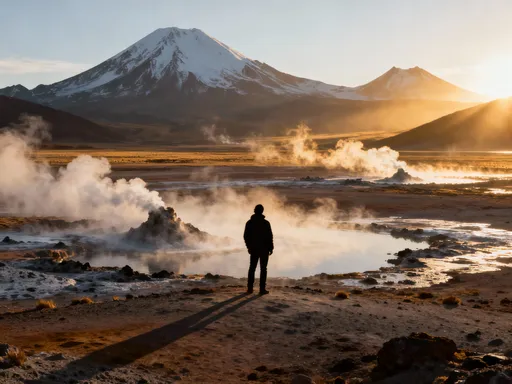
The state’s geography is remarkably varied. Stretching from the central highlands down into arid valleys and up into pine-forested sierras, Puebla spans ecosystems that few expect within a single region. To the south, the Tehuacán Valley unfolds in dry, sunbaked hues, home to one of the most biodiverse desert zones in the Americas. To the west, the snow-capped peaks of Popocatépetl and Iztaccíhuatl dominate the skyline, their presence felt even in distant villages. In the north, the Sierra Norte rises with cloud-kissed ridges and eco-trails that wind through moss-draped oaks and rushing streams.
What surprises most visitors is the contrast between Puebla’s refined cultural identity and its untamed natural soul. One moment, you’re sipping atole in a bustling market beneath a cathedral’s shadow; the next, you’re hiking through a silent forest where the only sound is the rustle of leaves in the wind. This juxtaposition isn’t accidental—it’s the result of centuries of coexistence between people and land. Indigenous communities have long stewarded these environments, preserving traditions that honor both heritage and habitat. For the mindful traveler, Puebla offers more than sights; it offers a deeper connection to place.
Tehuacán-Cuicatlán Biosphere Reserve: A Photographer’s Dream in the Making
Just south of Puebla’s central highlands, the Tehuacán-Cuicatlán Biosphere Reserve unfolds like a living museum of evolution. Designated as a UNESCO World Heritage site, this arid expanse straddles the border between Puebla and Oaxaca and is one of the most ecologically significant regions in North America. Here, over 3,000 species of plants thrive, including more than 450 types of cacti—some found nowhere else on Earth. Towering organ pipes, spiral agaves, and century plants dot the landscape, their silhouettes sharp against the pale sky. It’s a place where time moves slowly, and every rock seems to hold a story.
For photographers, the reserve is a treasure trove of textures and contrasts. Early morning light bathes the desert in golden tones, highlighting the intricate patterns of cactus spines and the cracked earth beneath. Shadows stretch long and dramatic, creating natural frames for compositions that emphasize solitude and resilience. One of the most powerful images to capture here is the interplay between life and scarcity—how a single columnar cactus can dominate a barren slope, or how a hidden spring brings color to an otherwise monochrome world. These are not just photos; they are testaments to survival.
Timing is essential when photographing in this region. The best light occurs during golden hour, when the low sun enhances depth and warmth. During the rainy season, brief bursts of green emerge, and wildflowers bloom in unexpected places, offering rare opportunities for vibrant shots against the usual earth tones. Additionally, the reserve contains ancient petroglyphs carved into stone by pre-Hispanic cultures. Capturing these requires patience and respect—approach with a wide-angle lens to include context, and avoid using flash, which can damage the rock surfaces over time.
To make the most of your visit, plan for midweek travel when visitor numbers are low. The reserve is vast, and solitude enhances both the experience and the quality of your shots. Bring plenty of water, wear sun-protective clothing, and carry a polarizing filter to reduce glare on rocky surfaces. Most importantly, move slowly. This is not a place to rush. The true beauty of Tehuacán-Cuicatlán reveals itself only to those who pause, observe, and listen.
The Majesty of Izta-Popo Zoquiapan National Park
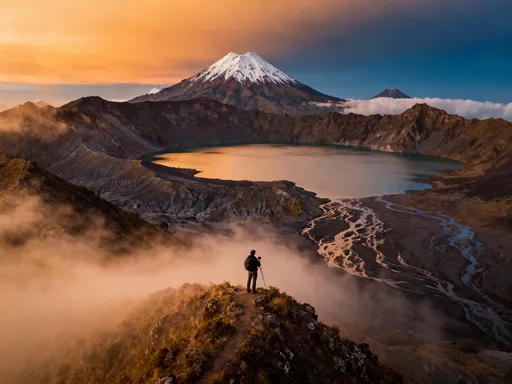
Rising above the central Mexican plateau, Izta-Popo Zoquiapan National Park is a realm of altitude, awe, and alpine wonder. Named after its two iconic volcanoes—Popocatépetl, still active, and Iztaccíhuatl, its dormant companion—the park offers some of the most dramatic landscapes in the country. At over 5,000 meters, Iztaccíhuatl’s snow-covered peaks gleam in the sunlight, earning it the nickname “The Sleeping Woman” for its profile resembling a reclining figure. Though access to the highest trails is sometimes restricted due to volcanic activity, the lower elevations provide breathtaking vistas and exceptional photo opportunities.
The park’s network of hiking trails leads through pine and fir forests, alpine meadows, and up to high-altitude lakes like Laguna del Sol and Laguna de los Pies. These glacial lakes reflect the sky with mirror-like clarity, especially in the early morning when the air is still. Photographers can capture stunning reflections, layered mountain ridges, and the subtle shifts in light as clouds roll over the peaks. The changing weather adds drama—sunbreaks through storm clouds, sudden fog, and snow flurries create dynamic scenes that evolve by the minute.
Safety is paramount when photographing in this environment. Weather can shift rapidly, and temperatures drop significantly at elevation. Always check local conditions before heading out, and avoid areas near Popocatépetl’s crater when activity is elevated. For the best shots, arrive early to secure parking and avoid midday haze. Use a tripod to stabilize long exposures, especially when capturing motion in clouds or water. A wide-angle lens is ideal for encompassing the vastness of the landscape, while a telephoto can isolate details like raptors circling above or frost patterns on rocks.
One of the most rewarding experiences is photographing sunrise from Mirador de las Animas, a viewpoint that offers an unobstructed panorama of both volcanoes. As the first light hits the snow, the peaks glow in soft pinks and golds—a fleeting moment that defines the magic of high-altitude photography. Remember to dress in layers, carry emergency supplies, and respect all signage and ranger guidance. This is not just a scenic backdrop; it’s a living, breathing ecosystem that demands both admiration and care.
Lagunas de Mejía: Where Wetlands Come Alive Through the Lens
Nestled in the highlands near the town of Acajete, the Lagunas de Mejía are a hidden gem for nature photographers and birdwatchers. This high-altitude wetland complex consists of several interconnected lagoons surrounded by reeds, grasslands, and native shrubs. At nearly 2,400 meters above sea level, the air is crisp, and the silence is broken only by the calls of waterfowl and the soft lap of waves against the shore. Unlike more crowded reserves, Lagunas de Mejía remains relatively untouched, offering a peaceful retreat where wildlife thrives undisturbed.
The lagoons are a critical stopover for migratory birds traveling along the Pacific Flyway. From November to March, thousands of avocets, stilts, ducks, and herons arrive from North America, transforming the wetlands into a living canvas of movement and color. One of the most striking photo opportunities is capturing the mirror effect at dawn, when the still water reflects the sky and surrounding vegetation with perfect symmetry. A low-angle shot with a polarizing filter can enhance contrast and reduce glare, bringing out the delicate details of feathers and ripples.
Photographers should approach with mindfulness. These habitats are fragile, and even minor disturbances can affect nesting patterns. Stay on designated paths, avoid loud noises, and never attempt to lure or feed birds. Use a telephoto lens (at least 300mm) to maintain a safe distance while capturing intimate details. Early mornings offer the best light and the highest chance of seeing active feeding and flight patterns. Consider using a blind or sitting quietly in one spot—some of the most powerful images emerge from patience.
The reserve also supports local conservation efforts led by community members who monitor water quality and bird populations. Visitors are encouraged to support these initiatives by paying entrance fees, hiring local guides, and following all guidelines. By doing so, you contribute to the long-term protection of this vital ecosystem. Every photograph taken here carries a responsibility—to represent not just beauty, but stewardship.
Sierra Norte: Forests, Fog, and the Art of Slow Photography
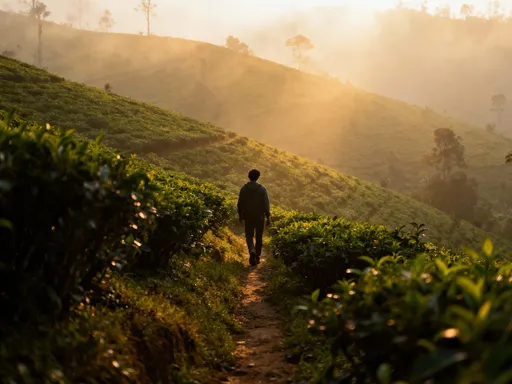
In the northern reaches of Puebla, the Sierra Norte mountain range rises with quiet grandeur. This region, often overshadowed by more famous destinations, is a sanctuary of cloud forests, eco-trails, and indigenous communities that have preserved their way of life for generations. Towns like Cuetzalan, Xochitlán, and Huehuetla offer access to lush landscapes where fog curls around tree trunks, streams hum beneath wooden bridges, and the scent of damp earth fills the air. For photographers, this is a place of mood, texture, and emotional depth.
The trails here are not designed for speed. They invite a slower, more contemplative approach—what some call “slow photography.” In the misty forests of Cuetzalan, visibility may be limited, but that limitation becomes an asset. Fog diffuses light, creating soft highlights and gentle gradients that lend a dreamlike quality to images. Use this to your advantage by focusing on layers—foreground ferns, midground trees, and distant ridges fading into haze. A tripod helps in low-light conditions, and a macro lens can reveal the intricate beauty of moss, lichen, and dew-covered spiderwebs.
One of the most rewarding experiences is photographing the region’s traditional coffee farms, known as fincas. These small-scale, shade-grown operations are often family-run and deeply integrated into the forest ecosystem. Capturing the process—from hand-picking beans to sun-drying them on raised beds—offers rich storytelling opportunities. Always ask permission before photographing people, and when granted, take the time to learn their names and stories. A portrait taken with respect carries far more weight than one taken in passing.
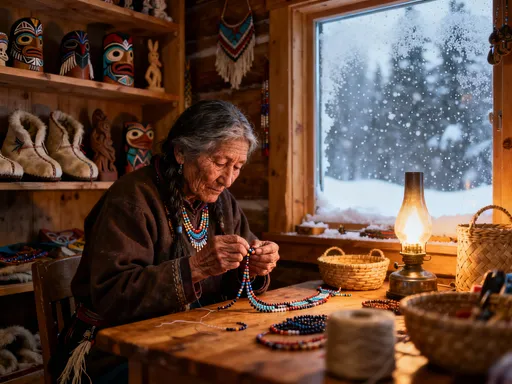
The Sierra Norte is also home to the Nahua and Totonac peoples, whose cultural practices are closely tied to the land. Ceremonies, textiles, and agricultural cycles reflect a deep ecological wisdom. When visiting their communities, dress modestly, speak gently, and follow local customs. Photography should never feel invasive. Instead, aim to document with humility, focusing on moments of daily life—children walking to school, elders weaving, families preparing meals. These images, though simple, often resonate the most.
Practical Tips for Shooting Nature in Puebla
Success in nature photography depends not just on skill, but on preparation. Puebla’s diverse climates and elevations require careful planning to ensure both safety and optimal results. The best time to visit largely depends on your destination. For the highlands and volcanoes, the dry season from November to April offers clearer skies and stable weather. In the Tehuacán Valley, early spring brings rare blooms, while the Sierra Norte is most accessible during the late dry season when trails are less muddy.
Lighting is crucial. Golden hour—shortly after sunrise and before sunset—provides the soft, warm illumination that enhances natural textures and minimizes harsh shadows. In higher elevations, alpenglow (the pinkish glow on snow-capped peaks after sunset) can last up to 20 minutes, offering a brief but magical window for photography. Always arrive at your location at least 30 minutes early to set up and scout compositions. Use apps like PhotoPills or The Photographer’s Ephemeris to predict sun and moon positions.
When it comes to gear, prioritize versatility and portability. A lightweight tripod is essential for long exposures and low-light situations. A polarizing filter helps manage reflections on water and foliage, while a neutral density filter allows for slower shutter speeds in bright conditions. For wildlife and distant subjects, a telephoto lens (70–300mm) is ideal. If you plan to use a drone, be aware that regulations in Mexico require registration and prohibit flights in national parks and near volcanoes. Always check local rules and obtain necessary permits.
Transportation can be a challenge in remote areas. While some sites like Izta-Popo are accessible by car, others require guided tours or local transportation. In the Sierra Norte, hiring a community guide not only ensures safe passage but also supports local economies. Fuel up before leaving major towns, carry cash for entrance fees, and download offline maps. Finally, pack essentials: water, snacks, a first-aid kit, warm layers, and rain protection. Nature may be beautiful, but it demands respect.
Beyond the Frame: Why These Landscapes Matter
Photographing Puebla’s wild places is about more than capturing beautiful images—it’s about bearing witness to ecosystems that are both resilient and vulnerable. Many of these regions face threats from climate change, deforestation, and unregulated tourism. Yet they also benefit from growing conservation awareness, much of it driven by local communities who see the value in protecting their natural heritage. In Tehuacán-Cuicatlán, biologists work with farmers to preserve native seeds. In the Sierra Norte, eco-tourism funds reforestation projects. In Izta-Popo, rangers monitor wildlife and enforce protection zones.
As travelers, we hold a quiet power. Every photo we take, every story we share, can raise awareness or deepen appreciation. But with that power comes responsibility. The principle of “leave no trace” is not just for hikers—it applies to photographers too. Avoid trampling vegetation, never remove natural objects, and never disturb wildlife for a shot. Share your images with context: name the place, credit local guides, and mention conservation efforts. Social media can be a force for good when used thoughtfully.
On a personal level, spending time in Puebla’s wild spaces changed how I see beauty. It’s no longer just about composition or light—it’s about connection. The silence of a forest, the reflection in a mountain lake, the resilience of a cactus in dry soil—these moments stay with you. They remind us that nature is not a backdrop, but a presence. And when we photograph it with care, we don’t just document the world—we help preserve it.
So if you’re planning your next trip, consider stepping beyond the postcard-perfect streets of Puebla’s cities. Venture into the misty highlands, the arid valleys, the quiet wetlands. Bring your camera, but also bring curiosity, respect, and an open heart. Because the true magic of Puebla isn’t just in what you see—it’s in what you feel. And that, more than any image, is worth carrying home.