You Won’t Believe Malta’s Secret Architectural Gems
Malta’s architecture isn’t just old buildings—it’s a living storybook. From golden limestone villages to baroque churches that glow at sunset, every corner whispers history. I never expected such diversity on a small island. The blend of Mediterranean, Arab, and European influences creates something truly unique. This is more than sightseeing—it’s stepping into centuries of culture, one stunning façade at a time.
First Impressions: Stepping Into a Stone World
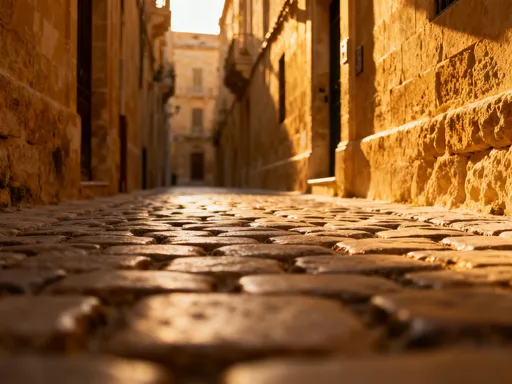
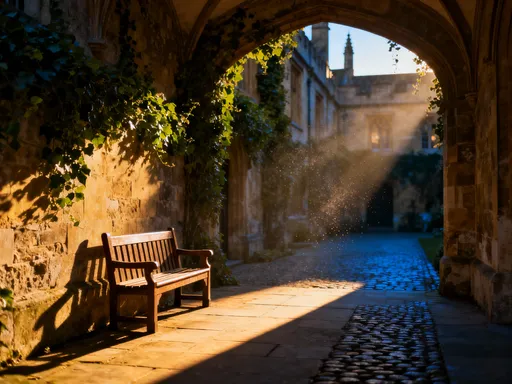
Arriving in Malta, one is immediately struck by the warmth of its built environment—not just in climate, but in color and texture. The entire landscape seems sculpted from honey-colored limestone, a material so prevalent it defines the island’s architectural soul. This golden stone, quarried locally for thousands of years, gives Malta’s towns and villages a visual harmony rarely found elsewhere. In Valletta, the capital city perched on a narrow peninsula, limestone forms the backbone of fortified walls, grand palaces, and narrow alleyways that twist like veins through the urban fabric. The light here has a special quality; at dawn and dusk, the buildings seem to glow from within, as if lit by an internal fire.
What makes this stone more than just a building material is its resilience. Limestone has protected Maltese homes and fortresses against Mediterranean winds, salt air, and even centuries of conflict. Its softness allows for intricate carving, yet when exposed to air, it hardens over time—a natural process that has helped structures endure for generations. The use of limestone is not merely aesthetic but deeply practical, offering thermal insulation that keeps interiors cool in summer and warm in winter. This balance of beauty and function is central to Maltese design philosophy, where form follows both climate and culture.
Valletta, established in the 16th century by the Knights of St. John, stands as a masterpiece of Renaissance urban planning. Its grid layout, designed for both defense and order, was revolutionary for its time. Recognized as a UNESCO World Heritage Site, the city reflects a rare continuity of architectural vision. Every street corner, piazza, and façade contributes to a cohesive whole, where no building feels out of place. This harmony is not accidental but the result of strict building codes that have preserved the city’s character across centuries. Even today, new constructions must adhere to traditional materials and proportions, ensuring that modern life unfolds within a historical framework.
The emotional impact of walking through Valletta cannot be overstated. For the 30- to 55-year-old woman who values tradition, craftsmanship, and meaningful travel, the city offers a sense of stability and timelessness. There is comfort in knowing that beauty can endure, that communities can preserve what matters most. Malta’s stone world does not shout—it speaks softly, inviting reflection, connection, and a deeper appreciation for the quiet strength of well-built places.
The Heart of Tradition: Village Megaliths and Rural Charm
Beneath the layers of medieval and baroque architecture lies an even older story—one written in massive stone blocks arranged with astonishing precision. Malta is home to some of the oldest free-standing structures in the world: the megalithic temples of Ġgantija, Ħaġar Qim, and Mnajdra. These prehistoric sites, predating both the pyramids of Egypt and Stonehenge, reveal a sophisticated understanding of engineering and astronomy. Built between 3600 and 2500 BCE, they stand as silent testaments to a people whose spiritual and communal life revolved around monumental architecture.
At Ġgantija, on the island of Gozo, two temple complexes rise from a hilltop with a commanding view of the surrounding countryside. The name, meaning “place of the giants,” reflects local legends about their creators, but the real marvel lies in human ingenuity. Massive limestone slabs, some weighing over fifty tons, were transported and erected without the use of metal tools or the wheel. The temples feature trefoil plans—three connected chambers shaped like a cloverleaf—decorated with spiral carvings and altars aligned with celestial events. These were not just places of worship but centers of social and agricultural life, where communities gathered to mark seasons and honor deities tied to fertility and nature.
The influence of these ancient builders echoes in Malta’s modern villages. Towns like Mdina and Rabat, though shaped by centuries of later occupation, retain a sense of inward focus and organic growth reminiscent of prehistoric settlement patterns. Narrow, winding streets discourage through traffic, encouraging slow exploration and neighborly interaction. Courtyards hidden behind heavy wooden doors offer private sanctuaries, much like the enclosed spaces of the temples. Even today, many homes open inward rather than outward, preserving privacy while fostering family cohesion—a value deeply cherished by women who prioritize home and heritage.
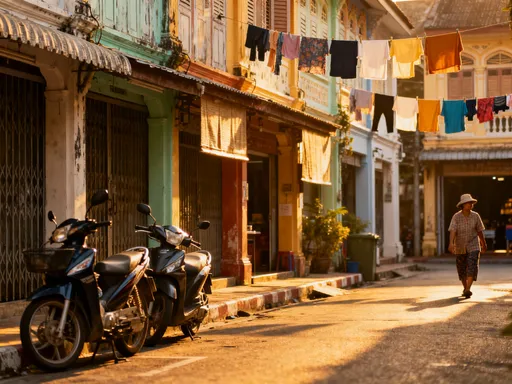
What makes these villages truly special is their authenticity. Unlike tourist-centric destinations that feel staged, places like Qormi, Żebbuġ, and Mosta retain a lived-in quality. Washing lines flutter between buildings, cats nap in sunlit doorways, and the scent of baking bread drifts from open windows. This is not preserved history but living tradition, where architecture serves not as a museum piece but as a backdrop for daily life. For travelers seeking genuine connection, these towns offer a rare glimpse into a culture that honors its past without being trapped by it.
Baroque Brilliance: When Churches Lit Up the Islands
If the megaliths represent Malta’s ancient soul, its baroque churches embody its spiritual and artistic awakening. Following the arrival of the Knights of St. John in 1530, the islands entered a golden age of religious architecture. The Knights, exiled warriors turned patrons of the arts, sought to express their faith—and power—through grandeur. Nowhere is this more evident than in St. John’s Co-Cathedral in Valletta, a building that transforms from modest exterior to breathtaking interior with a single step inside.
The façade of the cathedral is restrained, typical of military-influenced design, but the interior is a symphony of color, gold, and movement. Every surface is adorned: walls lined with ornate marble tombstones of knights, ceilings covered in frescoes depicting scenes from the life of St. John, and side chapels glowing with gilded carvings and intricate inlays. The Oratory, housing Caravaggio’s masterpiece *The Beheading of Saint John the Baptist*, adds a layer of artistic reverence. This contrast—between humility outside and splendor within—mirrors a deeper cultural value: that true beauty often lies beneath the surface, revealed only to those who look closely.
The baroque movement spread far beyond Valletta. In every major town, one finds a parish church that dominates the skyline, often built or expanded during the 17th and 18th centuries. The Parish Church of St. Paul’s Shipwreck in Valletta, the Basilica of the Nativity of Our Lady in Rabat, and the Rotunda of Mosta—all reflect the same impulse to create spaces of awe and devotion. The Rotunda, in particular, astonishes with its massive unsupported dome, modeled after the Pantheon in Rome. During World War II, a German bomb pierced the dome but failed to explode, an event many locals attribute to divine intervention. Today, the unexploded shell remains on display, a quiet reminder of faith enduring through crisis.
These churches were never just places of worship. They served as centers of community life—venues for festivals, processions, and social gatherings. The annual village festa, with its fireworks, brass bands, and statues carried through the streets, transforms the church into the heart of public celebration. For women who value family, tradition, and spiritual continuity, these events offer a powerful sense of belonging. The architecture supports not only religious practice but the transmission of cultural identity across generations.
Fortress Culture: How Defense Shaped Daily Life
Malta’s strategic position in the central Mediterranean made it a prize for empires, and its architecture bears the marks of constant vigilance. From Phoenician lookouts to British-era artillery batteries, the islands are dotted with defensive structures that once protected against invasion. The most impressive legacy belongs to the Knights of St. John, whose massive fortifications turned Valletta and the surrounding harbors into one of the most fortified cities in Europe.
The city’s grid layout, often admired for its order, was originally a military innovation. Wide streets allowed for rapid troop movement, while bastions and curtain walls provided overlapping fields of fire. Fort St. Elmo, Fort St. Angelo, and the fortifications along the Grand Harbour were designed to withstand prolonged sieges—knowledge tested during the Great Siege of 1565, when Ottoman forces were repelled after months of battle. These fortifications did more than protect; they shaped the rhythm of daily life. Gates were closed at night, sentries kept watch, and the sound of the Angelus bell marked both prayer and security.
Outside the cities, a network of watchtowers extends along the coastline. The Wignacourt, Lascaris, and De Redin towers—built in the 17th century—formed an early warning system, allowing signals to be relayed from one point to another in minutes. Many of these towers still stand, restored and open to visitors. Climbing one at sunset offers not only panoramic views but a visceral sense of how geography and strategy shaped Maltese identity. The need for defense fostered a culture of cooperation, where every village had a role in the larger system of protection.
Even the Victoria Lines—a 12-kilometer defensive barrier across the width of Malta—reflect this enduring concern. Though never fully tested in battle, the lines include forts, entrenchments, and observation posts that blend into the natural ridge of the island. Today, they serve as hiking trails and historical sites, where families walk among the remnants of a past that valued preparedness and unity. The legacy of fortress culture is not one of fear, but of resilience—a lesson that strong communities are built on both physical and social foundations.
Living Architecture: Homes That Breathe History
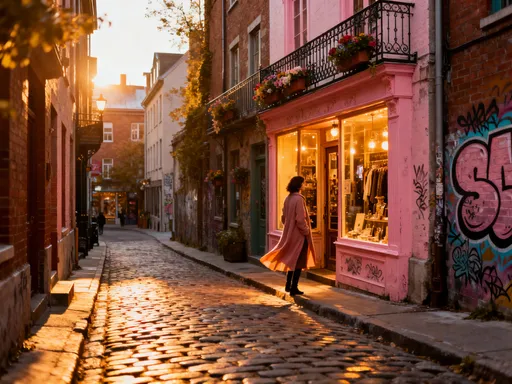
While grand churches and fortresses capture the imagination, the true essence of Maltese architecture lives in its homes. Traditional Maltese houses, found in both cities and villages, combine functionality with charm. One of the most distinctive features is the *gallarija*—an enclosed wooden balcony that projects from the façade, often richly painted and filled with potted plants. These balconies, influenced by Sicilian design, provide private outdoor space while protecting residents from the sun and prying eyes.
Roofs are typically flat or gently sloped with red clay tiles, designed to collect rainwater during the dry season. Many homes include a central courtyard, a feature inherited from Roman and Arab architecture, which promotes ventilation and light. Doors are often painted in bold colors—deep blue, emerald green, or crimson—adding vibrancy to otherwise pale stone streets. Inside, thick walls and high ceilings help regulate temperature, while decorative elements like patterned floor tiles and carved wooden beams reflect pride in craftsmanship.
Today, many Maltese families live in homes passed down through generations. Renovation is common, but there is a strong cultural preference for preserving original features. A woman restoring her grandmother’s house in Mdina might keep the original *gallarija*, repair the limestone façade, and install modern amenities discreetly. This balance between old and new is not just practical—it is emotional. These homes are repositories of memory, where weddings were celebrated, children raised, and stories told around kitchen tables.
Community efforts to preserve residential heritage are widespread. Local councils offer guidance on traditional materials, and organizations promote awareness of architectural conservation. For the woman who sees home as the center of life, Malta’s living architecture offers inspiration: that beauty, comfort, and history can coexist, and that caring for a house is an act of love for family and place.
Hidden Layers: Off-the-Beaten-Path Structures With Stories
Beyond the well-trodden paths of Valletta and Mdina lie lesser-known structures that speak to Malta’s layered history. The Lazzaretto on Manoel Island, once a quarantine hospital for ships arriving from plague-stricken regions, now hosts cultural events and exhibitions. Its long, symmetrical wards and arched corridors evoke a sense of quiet solemnity, a place where life and death once hung in the balance. Exploring it today, one feels the weight of history—not as spectacle, but as silent witness.
In rural areas, abandoned chapels and farmhouses dot the landscape. Some have been restored by volunteers; others remain as they were, slowly returning to the earth. These quiet places invite reflection. A crumbling chapel in the cliffs of Dingli might host a single candle left by a visitor, a small act of remembrance. Such sites are not maintained for tourism but respected as part of the island’s spiritual and agricultural past.
During World War II, Malta endured relentless bombing, and its people took shelter in tunnels and underground complexes. The Worsica and Clapham Junction shelters, carved into soft rock, housed families for weeks at a time. Today, guided tours offer a glimpse into this chapter of resilience. Hearing stories of children doing homework by candlelight or neighbors sharing food in cramped corridors brings history to life in a deeply personal way. These spaces remind us that architecture is not just about beauty—it is about survival, community, and hope.
Responsible tourism plays a key role in preserving these hidden sites. Local-led initiatives ensure that visits are respectful and educational, often including oral histories from elders who lived through these times. For the thoughtful traveler, especially women who value authenticity and connection, these experiences offer something rare: not just sightseeing, but soul-seeing.
Preservation Meets Progress: Building the Future Without Losing the Past
Malta faces growing challenges in balancing development with conservation. Rapid urbanization, increased tourism, and climate change all threaten its architectural heritage. Rising sea levels and salt erosion accelerate the deterioration of coastal structures, while demand for modern housing pressures historic neighborhoods. Yet, the islands are responding with innovation and determination.
Successful projects demonstrate that progress need not erase the past. The restoration of the Royal Opera House site in Valletta, once a ruin, now hosts an open-air theater that respects the original footprint while serving contemporary needs. In Floriana, adaptive reuse of 19th-century buildings has created cultural centers and public spaces that honor history while fostering community life. Architects are increasingly using traditional materials in modern designs, blending limestone façades with energy-efficient interiors.
Government policies support sustainable tourism and strict conservation guidelines. Heritage Malta, the national agency, oversees over 50 protected sites and promotes educational programs. Grassroots movements, especially among younger generations, emphasize environmental stewardship and cultural pride. Women’s groups in villages often lead clean-up campaigns, garden restorations, and craft workshops that keep traditional skills alive.
The future of Maltese architecture depends on this balance—between honoring the past and embracing the future. It is not enough to preserve buildings; we must also preserve the values they represent: resilience, craftsmanship, community, and faith. For the woman who travels not just to see, but to understand, Malta offers a powerful lesson: that true beauty is not fleeting, but built to last.
Malta’s architecture is more than stone and shadow—it’s a dialogue between eras, a culture carved in light and lime. To walk its streets is to witness endurance, artistry, and identity standing firm against time. In protecting these structures, we honor not just buildings, but the soul of a people who’ve built beauty from survival. Visit, yes—but also reflect, respect, and remember.