You Gotta Try This: Fukuoka’s Food Scene Will Blow Your Mind
Fukuoka, Japan, isn’t just a pit stop—it’s a full-on flavor explosion. I didn’t expect much beyond ramen, but wow, was I wrong. From sizzling yatai stalls to quiet backstreet izakayas, the city serves up bold, authentic tastes at every turn. This is real Japanese food culture, alive and sizzling. The air hums with the scent of grilled skewers, simmering broths, and spice-kissed seafood. Locals gather elbow-to-elbow under red lanterns, chopsticks in hand, laughter rising with the steam. If you’re planning a trip and care about what’s on your plate, Fukuoka needs to be on your radar—here’s why and how to eat like a local.
Why Fukuoka? The Gateway to Kyushu’s Culinary Soul
Fukuoka stands proudly as the largest city on Kyushu Island, a vibrant coastal metropolis where modern energy meets deep-rooted tradition. Unlike Tokyo or Kyoto, which often cater to international crowds, Fukuoka remains refreshingly unpolished and deeply local. It’s a place where food isn’t an attraction—it’s a way of life. The city’s identity is shaped by its geography: bordered by the sea and surrounded by fertile farmland, it has access to an abundance of fresh seafood, seasonal vegetables, and high-quality meats. This natural bounty forms the foundation of its celebrated cuisine.
Historically, Fukuoka served as a gateway between Japan and continental Asia, particularly Korea and China. Centuries of cultural exchange have left a lasting imprint on its food. You can taste this legacy in the bold flavors, fermented ingredients, and street food culture that thrive here. Unlike other major Japanese cities where dining can feel formal or distant, Fukuoka’s food scene is approachable, communal, and full of warmth. Meals are shared, laughter is common, and strangers often end up chatting over shared tables at yatai stalls.
What sets Fukuoka apart from other food destinations in Japan is its authenticity. While cities like Osaka pride themselves on variety and Tokyo on refinement, Fukuoka excels in soulful, everyday eating. There’s no need to book months in advance for a 12-course kaiseki meal—some of the best food here costs less than $5 and comes served on a plastic stool by the river. The city’s dining rhythm follows the natural flow of life: morning markets buzz with energy, lunchtime brings quick bites from hole-in-the-wall counters, and evenings transform into lively culinary adventures under red lanterns.
For travelers seeking an immersive food experience without the tourist crowds, Fukuoka is ideal. English menus are increasingly common, but even without fluent language skills, the hospitality is welcoming. The city moves at a comfortable pace, making it easy for visitors—especially those in their 30s to 50s who appreciate culture, comfort, and connection—to explore at their own rhythm. Whether you're traveling solo, with a partner, or as a family, Fukuoka offers a culinary journey that feels both exciting and deeply human.
Ramen Revolution: More Than Just a Bowl of Noodles
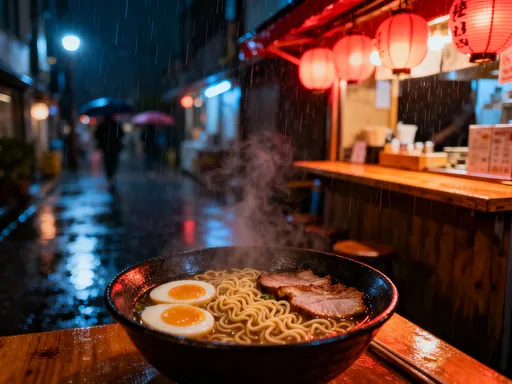
No discussion of Fukuoka’s food scene is complete without talking about Hakata ramen, the city’s most famous culinary export. This isn’t just ramen—it’s an institution. Born in the post-war era as a hearty meal for laborers, Hakata ramen has evolved into a globally recognized symbol of Fukuoka’s food culture. Its signature feature is the rich, milky tonkotsu broth, made by boiling pork bones for up to 18 hours until the collagen breaks down into a deeply savory, almost creamy liquid. The result is a broth that coats the tongue with umami and warmth, setting it apart from the soy-based or miso broths found elsewhere in Japan.
The noodles are another key element: thin, straight, and firm, designed to hold up against the heavy broth. One of the unique aspects of Hakata ramen is the ability to customize your noodle texture. When ordering, you can request koshu, meaning extra firm, which keeps the noodles from becoming soggy even after several minutes in the hot soup. This is especially useful if you’re savoring your meal slowly or adding a kaedama—a noodle refill—midway through. Yes, you can refill just the noodles, and many locals do, stretching a single bowl into a full meal.
Another defining trait is the tare, the flavor base that seasons the broth. While the pork stock remains consistent, each shop has its own proprietary tare blend, often a closely guarded family recipe. Some are salty, others slightly sweet or spicy, and many offer optional toppings like beni shoga (pickled red ginger), sesame seeds, or spicy bean paste to further personalize your bowl. The experience is interactive, inviting you to adjust the flavor as you eat.
Ordering ramen in Fukuoka is part of the fun. Most popular ramen shops use vending machines at the entrance. You select your dish, insert cash, and receive a ticket to hand to the cook behind the counter. Don’t be intimidated—many machines now have English options or picture menus. Look for terms like “classic tonkotsu,” “spicy,” or “vegetable” to guide your choice. Popular spots like Ichiran, while now international, originated here and still offer a streamlined, solo-dining experience with individual booths. But for a more local feel, try smaller, family-run shops in neighborhoods like Tenjin or Hakata Station, where the atmosphere is warm and the service personal.
Timing matters, too. Ramen shops often open early and sell out by evening, so aim for lunch or an early dinner. Lines are common, but they move quickly. Standing in line gives you time to observe what others are ordering—another clue to what’s popular. And remember, slurping your noodles isn’t just acceptable—it’s encouraged. It aerates the broth and cools the noodles, enhancing the flavor. In Fukuoka, eating ramen isn’t passive; it’s an active, sensory experience that connects you to the city’s heartbeat.
Yatai Culture: Street Food with a Side of Soul
If Hakata ramen is Fukuoka’s culinary crown jewel, then yatai are its beating heart. These temporary, open-air food stalls line the banks of the Naka River, especially in the Nakasu and Tenjin districts, transforming the cityscape each evening into a glowing, aromatic festival of flavor. Typically set up in the late afternoon and operating until midnight or later, yatai are small wooden carts with red lanterns, seating just 8 to 12 guests around a counter. There’s no air conditioning, no menus in ten languages—just the sizzle of grills, the clink of glasses, and the hum of conversation in Japanese.
Yatai offer a uniquely democratic dining experience. Salarymen unwind after work, couples share small plates, and groups of friends toast with beer and shochu. For visitors, sitting at a yatai is one of the most authentic ways to connect with local life. The food is simple but deeply satisfying: grilled chicken skewers (yakitori), spicy cod roe (mentaiko), and motsu nabe, a hearty offal hot pot simmered in miso or garlic broth. Each stall usually specializes in one or two dishes, allowing the owner to perfect their craft over years or even decades.
One must-try is mentaiko, made from pollock roe marinated in chili and sake. It’s often served over rice, in pasta, or simply with a drink. The heat varies by vendor, but even mild versions carry a smoky, briny depth that lingers on the palate. Yakitori ranges from classic chicken thigh to more adventurous options like cartilage or liver, each skewer grilled to juicy perfection. Motsu nabe, while not for everyone, is a local favorite—tender pieces of beef or pork intestines cooked at your table with cabbage, garlic, and chili. It’s rich, warming, and surprisingly delicate when prepared well.
To enjoy yatai like a local, go between 7 and 9 p.m., when the atmosphere is lively but not overcrowded. Cash is essential—most stalls don’t accept cards. Bring small bills, as change can be hard to come by. Etiquette is simple: wait for an open seat, avoid loud or disruptive behavior, and thank the vendor when you leave. If you’re unsure what to order, point to what others are eating or say “osusume wa nan desu ka?” (“What do you recommend?”). Many vendors appreciate the effort, even if your Japanese is limited.
The best yatai zones include Nakasu, just across the river from Tenjin, and the stretch near Kawabata Shopping Arcade. While some stalls now offer English support, part of the charm is the language barrier—it pushes you to engage, to smile, to rely on gestures and shared enjoyment. Yatai aren’t just about food; they’re about community. In a world of polished restaurants and curated experiences, yatai remain raw, real, and deeply human.
Beyond Ramen: Hidden Gems in Fukuoka’s Food Scene
While ramen and yatai dominate the conversation, Fukuoka’s culinary depth goes far beyond. The city is full of lesser-known dishes that reveal even more about its character. One such treasure is mizutaki, a chicken hot pot that originated in Fukuoka and remains a beloved home-style meal. Unlike heavier nabe dishes, mizutaki uses a clear, delicate broth made from chicken bones and vegetables. Thinly sliced chicken, cabbage, mushrooms, and chrysanthemum leaves are simmered together, then dipped in a citrusy ponzu sauce. After the main ingredients are eaten, the remaining broth is often turned into a comforting rice porridge, ensuring nothing goes to waste.
Another local specialty is karashi renkon, a snack made from lotus root stuffed with spicy mustard and deep-fried. The contrast between the crispy exterior and the peppery kick inside makes it a favorite accompaniment to drinks. Originally created as a preserved food for travelers, it’s now sold in gift shops and department stores, but the best versions come from small producers in the Dazaifu area. Try it fresh, not pre-packaged, for the full experience.
For something unexpectedly modern, seek out mentaiko pasta. This fusion dish blends Italian technique with Japanese flavor, featuring spaghetti tossed in a creamy sauce made from mentaiko, butter, and cream. It sounds unusual, but the saltiness of the roe balances the richness of the sauce, creating a dish that’s both indulgent and refreshing. Many cafes and casual restaurants in Fukuoka serve their own version, often with a sprinkle of nori or a squeeze of lemon.
To discover these hidden gems, start at Yanagibashi Central Market, Fukuoka’s largest and most vibrant food market. Open since the 1940s, it’s a maze of stalls selling fresh fish, pickles, sweets, and ready-to-eat dishes. Arrive in the morning to see fishermen unload the day’s catch and vendors arrange glistening rows of tuna, sea urchin, and octopus. Follow the locals—wherever there’s a small line, there’s likely something delicious. Try grilled scallops on the half-shell, tamagoyaki (sweet rolled omelet), or fresh sushi rolls made to order.
Navigating the market is easier than it looks. Look for cues that signal authenticity: handwritten Japanese menus, elderly customers, and minimal English signage. If a stall has a plastic sample display, that’s a good sign—but if it also has QR codes for multiple languages, it might be geared more toward tourists. Trust your instincts. If the food looks fresh, the vendor is busy, and the price seems fair, go for it. Bring a small bag for purchases, and don’t hesitate to point and smile. Many vendors are happy to let you sample before buying.
Izakayas & Local Eateries: Where the Real Magic Happens
While yatai offer street-level charm, izakayas provide a more intimate look into Japanese dining culture. These casual pubs serve small plates meant to be shared with drinks, functioning as social hubs where people gather after work, on weekends, or to celebrate. In Fukuoka, izakayas range from sleek, modern spaces to tiny, no-frills rooms with vinyl seats and fluorescent lighting. What they share is a focus on seasonality, simplicity, and hospitality.
A typical izakaya meal begins with edamame or cold tofu with green onions and soy sauce. From there, you might order grilled fish—often mackerel or saury—cooked over binchotan charcoal for a smoky finish. Other staples include karaage (Japanese fried chicken), agedashi tofu (deep-fried tofu in broth), and sashimi platters featuring local catches. Don’t skip the pickled vegetables; they’re palate cleansers and digestive aids, often made in-house with traditional recipes.
Drinks are just as important as food. While beer and highballs are popular, Fukuoka is in the heart of shochu country. This distilled spirit, often made from sweet potato, barley, or rice, is typically served on the rocks, with hot water, or mixed with tea or soda. Ask for a tasting set to sample different varieties—many izakayas offer flights that highlight regional differences. The staff may guide you based on your taste preferences, showing a level of personal service that makes the experience feel special.
To blend in, follow a few simple rules. Remove your bag from the table and place it on the floor or on an empty chair. Wait for everyone to be served before eating, and say “itadakimasu” before your first bite. When pouring drinks, always serve others before yourself—this is a sign of respect. If someone offers you a refill, accept it unless you’re truly done.
Reservations aren’t always necessary for smaller izakayas, but they’re wise for groups or weekend visits. Smoking policies vary—some places are fully non-smoking, others have designated areas, and a few still allow indoor smoking. If this is a concern, check in advance or choose a newer establishment. Most importantly, relax. Izakayas are meant to be comfortable, not formal. The goal is connection, not perfection.
Day Trips for Food Lovers: Expanding Your Fukuoka Experience
While Fukuoka city offers endless culinary delights, nearby destinations add even more flavor to your trip. A short train ride away, Dazaifu is a historic town known for its Tenmangu Shrine and, more importantly, its food culture. The main attraction is umegae mochi, a grilled rice cake filled with sweet red bean paste and wrapped in a pickled plum leaf. Cooked over an open flame, it develops a slightly charred exterior and a soft, chewy center. The plum leaf isn’t eaten but imparts a subtle floral aroma that elevates the entire experience.
As you walk the stone path toward the shrine, dozens of vendors line the way, each offering their version of umegae mochi. Some add sesame seeds, others drizzle it with syrup. Try a few to compare—this is one of those rare foods that improves with repetition. Pair it with a cup of matcha from a nearby tea house for a complete sensory moment. Dazaifu is also home to excellent soba and udon shops, many using locally milled flour and spring water.
Another rewarding day trip is Uminonakamichi Seaside Park, a sprawling coastal area with gardens, cycling paths, and seasonal food events. In spring, cherry blossoms draw crowds, while autumn brings harvest festivals featuring fresh seafood, sweet potatoes, and local honey. The park has several small restaurants and kiosks that source ingredients from nearby farms, offering a true farm-to-table experience. It’s especially lovely for families or those who enjoy combining nature with dining.
Getting to these destinations is easy. Dazaifu is just 15 minutes from central Fukuoka via the Nishitetsu Line, while Uminonakamichi is accessible by subway and bus. Both are well-marked and frequented by tourists, so signage is clear. Bring comfortable shoes, a light jacket, and a small bag for souvenirs. Pack a translation card if you have dietary restrictions, and don’t rush—part of the joy is lingering, observing, and letting the experience unfold naturally.
Eating Smart: Budgeting, Timing, and Dietary Tips
One of the best things about Fukuoka’s food scene is its accessibility. You can eat exceptionally well without breaking the bank. A bowl of ramen costs between $5 and $10, yatai dishes range from $3 to $8, and even a full izakaya meal with drinks often stays under $30. Breakfast options like onigiri (rice balls) or toast sets at local cafes are under $5. By planning wisely, it’s entirely possible to enjoy a rich, varied food journey on a modest budget.
Timing your meals can improve both value and quality. Restaurants are busiest between 12:00–1:30 p.m. and 7:00–8:30 p.m. Going slightly earlier or later helps you avoid lines and ensures fresher food, as kitchens aren’t overwhelmed. Many places offer lunch specials that include soup, rice, and a main dish at a reduced price. These are often the same dishes served at dinner but at half the cost.
For vegetarians or those with dietary restrictions, options are limited but not impossible. Traditional Japanese cuisine relies heavily on fish-based dashi, so true vegetarian dishes are rare. However, many restaurants now offer vegetable tempura, tofu dishes, and salads. Look for words like “vegetable,” “tofu,” or “moriawase” (assorted plate). Use a food allergy card or translation app to communicate needs clearly. Some ramen shops offer vegetarian broth upon request, though availability varies.
Language barriers can be eased with simple tools. Google Translate’s camera function works well for reading menus. Downloading an offline phrasebook or carrying a printed card with common food terms (“no meat,” “no fish,” “gluten-free”) can save stress. Don’t underestimate the power of pointing and smiling—hospitality in Fukuoka is strong, and most people want to help.
Conclusion
Fukuoka’s cuisine isn’t just about feeding yourself—it’s about connecting with a city through its flavors. Every bite tells a story of tradition, innovation, and warmth. From the slow-simmered depths of tonkotsu broth to the crackle of a yatai grill, the city invites you to slow down, savor, and engage. It’s a place where food isn’t performative but deeply personal, where strangers become companions over shared skewers and steaming bowls.
With the right approach, you can move beyond sightseeing and truly taste Japan. Eat early, explore markets, talk to vendors, and don’t fear the unknown. Let your curiosity guide you, and trust that even the simplest meal can become a memory. Fukuoka doesn’t demand perfection—it welcomes presence. So plan wisely, stay open-hearted, and let your stomach lead the way. The flavors are waiting.