You Won’t Believe These Hidden Protected Wonders in Chile’s Atacama Desert
The Atacama Desert in northern Chile is more than just endless salt flats and red-rock canyons—it’s a living sanctuary protected by nature and culture. I was blown away by how much life thrives in this extreme environment. From high-altitude lagoons teeming with flamingos to ancient geoglyphs preserved for centuries, the protected areas here offer an authentic, responsible way to explore. This isn’t just travel—it’s a deeper connection with Earth’s raw beauty. Few places on the planet challenge the imagination like the Atacama, where silence stretches across vast horizons and every dune, lagoon, and ruin tells a story millions of years in the making. What makes this region truly extraordinary is not just its dramatic landscapes, but the quiet commitment to preserving them for future generations.
Why the Atacama’s Protected Areas Matter
The Atacama Desert holds the title of one of the driest places on Earth, with some weather stations having never recorded rainfall. Despite its arid extremes, it hosts a surprising array of life and geological wonders, many of which are safeguarded within a network of national parks, reserves, and culturally protected zones. These areas are not just scenic backdrops—they serve as critical refuges for species uniquely adapted to survive in high-altitude deserts, extreme temperatures, and mineral-rich soils. Conservation efforts in the region are essential because even minor disruptions can have long-lasting effects on ecosystems that regenerate slowly, if at all.
Among the most iconic protected species is the Andean flamingo, a pale pink wader that feeds in the shallow, mineral-heavy waters of high-altitude lagoons. These birds rely on stable water levels and undisturbed feeding grounds, both of which are maintained through strict access rules and seasonal monitoring. Similarly, the vicuña, a wild relative of the alpaca, roams the altiplano in growing numbers thanks to decades of protection from poaching and habitat degradation. Once endangered, their population recovery stands as a testament to what careful stewardship can achieve in even the harshest environments.
Protection in the Atacama is not solely the work of government agencies—it is deeply rooted in local traditions and community involvement. The indigenous Lickan Antay people, also known as the Atacameño, have lived in this region for over 10,000 years and continue to play a vital role in managing sacred sites and natural resources. Their ancestral knowledge informs modern conservation strategies, particularly in balancing tourism with cultural respect. Chile’s National Forest Corporation (CONAF) collaborates with these communities to enforce regulations, train local guides, and monitor ecological changes, ensuring that protection is both scientifically sound and culturally grounded.
Moreover, the Atacama’s protected areas contribute to global scientific research. Its clear skies make it a prime location for astronomical observatories, while its Mars-like terrain offers insights into planetary geology and the potential for life in extreme conditions. By preserving these landscapes, Chile is not only protecting national heritage but also supporting international efforts in climate science, biodiversity, and archaeology. The desert’s fragility demands respect, and its protection reflects a growing understanding that tourism must serve conservation—not the other way around.
Lagunas Altiplánicas: A High-Altitude Oasis
At elevations exceeding 3,000 meters, the Lagunas Altiplánicas form a chain of shimmering salt lakes nestled in the Andean plateau, creating one of the most surreal and biologically rich environments in the Atacama. Among them, Laguna Cejar, Laguna Tebenquiche, and the broader Los Flamencos National Reserve offer visitors a chance to float effortlessly in waters denser than the ocean, surrounded by stark desert mountains and distant snow-capped volcanoes. These lagoons are not just scenic marvels—they are complex ecosystems sustained by underground aquifers and delicate mineral balances that have remained stable for thousands of years.
What sets these lagoons apart is their high salinity, comparable to that of the Dead Sea, allowing even the most reluctant swimmers to bob on the surface with ease. The sensation of weightlessness, paired with panoramic views of red-rock canyons and turquoise waters, creates a moment of pure wonder. However, this unique experience comes with responsibility. The salt crusts around the edges are fragile, and trampling can damage microbial mats that play a crucial role in stabilizing the ecosystem. Visitors are required to stay on marked paths and avoid applying sunscreen or lotions before entering the water, as chemicals can disrupt the delicate microbial communities that thrive in these extreme conditions.
Los Flamencos National Reserve, established in 1990, encompasses seven distinct wetland systems, each supporting different bird populations and vegetation types. It is one of the few places in the world where three species of flamingos—the Chilean, Andean, and James’s—can be seen together. Their presence is not guaranteed year-round; the best time to visit is during the austral summer (December to March), when water levels are higher and migratory birds are most active. Early morning visits increase the chances of witnessing flocks feeding in the shallows, their long legs stirring the sediment as they filter-feed on algae and brine shrimp.
Altitude is a serious consideration when visiting these highland lagoons. Many travelers experience mild symptoms of altitude sickness, including headaches, dizziness, and shortness of breath. To acclimate safely, experts recommend spending at least one full day in San Pedro de Atacama (elevation 2,400 meters) before venturing higher. Staying hydrated, avoiding alcohol, and moving slowly are essential. Guided tours typically include oxygen checks and allow time for rest, making them a safer choice, especially for first-time visitors. Additionally, access to certain lagoons is limited to small groups and regulated hours, ensuring that human impact remains minimal and the natural rhythms of the ecosystem are preserved.
The Moon and Death Valleys – Dramatic Landscapes Under Protection
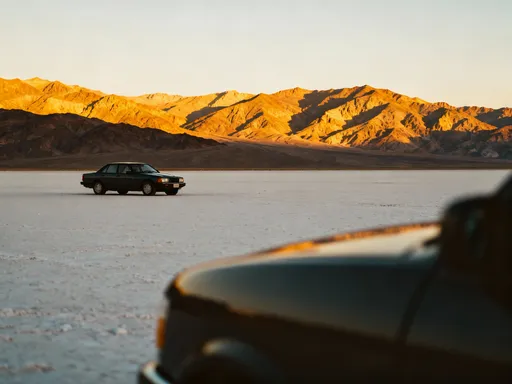
Valle de la Luna (Moon Valley) and Valle de la Muerte (Death Valley) are among the most photographed landscapes in Chile, renowned for their otherworldly dunes, salt canyons, and eroded rock formations. Though not formally part of a national park, these valleys lie within buffer zones managed by CONAF and local authorities to prevent overuse and environmental degradation. Their protection is critical because the very features that make them so striking—thin salt crusts, fragile dunes, and exposed sediment layers—are easily damaged by foot traffic, vehicles, and erosion caused by unregulated access.
These valleys were shaped over millions of years by tectonic uplift, wind erosion, and ancient salt lake deposits. The salt mountain range known as Cordillera de la Sal (Salt Range) is a geological marvel, formed when prehistoric seas evaporated, leaving behind thick layers of halite and gypsum. Over time, water and wind carved deep canyons and sculpted towering dunes, creating a landscape that resembles a Martian surface. At sunset, the colors shift dramatically—from golden ochre to deep violet—as the sun dips behind the Andes, casting long shadows across the dunes. This natural light show draws hundreds of visitors daily, making crowd management a top priority for conservation teams.
To protect the site, only designated trails are open to the public, and off-trail walking is strictly prohibited. Wooden boardwalks guide visitors through the most sensitive areas, preventing compaction of the salt crust and preserving underground water channels. Tour operators must obtain permits, and group sizes are limited to reduce congestion. Independent visitors are encouraged to arrive early or late in the day to avoid peak hours and minimize environmental strain. Drones are banned without special authorization, as their use can disturb wildlife and degrade the natural silence that defines the desert experience.
Safety is equally important in these extreme environments. Temperatures can exceed 35°C (95°F) during the day and drop below freezing at night. Sun exposure is intense due to the high elevation and lack of cloud cover, making broad-spectrum sunscreen, wide-brimmed hats, and UV-protective clothing essential. Hydration is non-negotiable—visitors are advised to carry at least two liters of water, even for short visits. Local guides often provide rehydration salts and monitor group members for signs of heat exhaustion. By following these guidelines, travelers can enjoy the dramatic beauty of the valleys while ensuring their preservation for future generations.
El Tatio Geysers – Sunrise in a Volcanic Wonderland
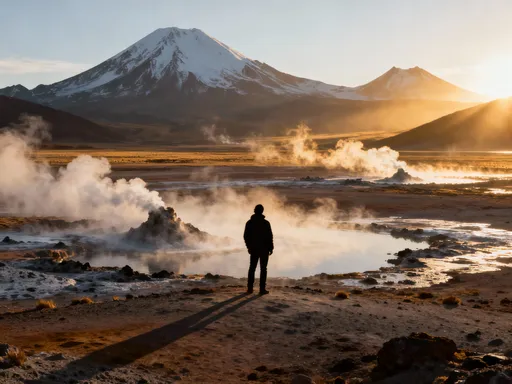
Rising over 4,300 meters above sea level in the Andean highlands, the El Tatio Geyser Field is one of the highest and most active geyser basins in the world. At dawn, when temperatures hover near -10°C (14°F), dozens of geysers erupt in plumes of steam that rise dozens of meters into the crisp morning air, illuminated by the first golden rays of sunlight. The sight is nothing short of magical—a primordial landscape where Earth’s internal heat meets the cold clarity of the desert sky. This geothermal wonder is protected as part of the Los Flamencos National Reserve, ensuring that its fragile hydrothermal systems remain undisturbed by industrial exploitation or unchecked tourism.
The geysers are fueled by a deep geothermal system where groundwater is heated by magma beneath the Andes, then forced upward through fissures in the Earth’s crust. The resulting steam and boiling water create a network of bubbling pools, fumaroles, and mineral terraces rich in silica and sulfur. These extreme conditions support unique microbial life—thermophiles and extremophiles—that thrive in near-boiling water and contribute to the colorful stains on the surrounding rocks. Scientists study these organisms for clues about early life on Earth and the potential for life on other planets, making El Tatio not just a visual spectacle but a living laboratory.
Visiting El Tatio requires careful planning and respect for both the environment and local customs. Most tours depart from San Pedro de Atacama between 4 and 5 a.m. to reach the site by sunrise, when the geysers are most active. The extreme altitude demands extra caution—many operators provide bottled oxygen and warm drinks to help visitors acclimate. Guides emphasize staying on boardwalks and viewing platforms to avoid scalding injuries and protect the delicate crusts around the pools. Bathing in the hot springs, once a common practice, is now prohibited to prevent contamination and preserve the site’s ecological integrity.
There are also growing concerns about the impact of large tour groups on the surrounding habitat. While tourism supports the local economy, overcrowding can lead to litter, noise pollution, and disturbance to wildlife such as vicuñas and Andean foxes. Some operators have responded by offering smaller, eco-conscious tours that limit group size and include environmental education components. Travelers are encouraged to choose companies that contribute to conservation efforts and respect indigenous land rights. By doing so, they help ensure that El Tatio remains a place of wonder—not just for tourists, but for science and future generations.
Cultural Heritage in Protected Zones – More Than Nature
The Atacama’s protected areas are not only guardians of natural wonders but also custodians of deep cultural history. Scattered across the desert are ancient ruins, ceremonial sites, and thousands of geoglyphs—large designs etched into the landscape by pre-Columbian civilizations. These include the Pukará de Quitor, a 12th-century stone fortress built by the Atacameño people, and countless hillside glyphs depicting animals, warriors, and celestial symbols. These sites are preserved within protected zones not just for their archaeological value, but because they remain spiritually significant to local indigenous communities.
The connection between cultural identity and environmental stewardship is especially strong in the Andean altiplano, where traditional practices emphasize harmony with nature. Water sources, mountains, and certain rock formations are considered sacred, and their protection is woven into daily life. When visitors approach these sites with respect—by not touching ancient walls, avoiding loud noises, and staying on designated paths—they honor centuries of cultural continuity. Local guides often share oral histories and cosmological beliefs, enriching the experience beyond mere sightseeing and fostering a deeper understanding of how people have thrived in this harsh environment for millennia.
Responsible visitation is critical. Many geoglyphs are invisible from ground level and can only be seen from the air, yet foot traffic near their locations can still cause irreversible damage. Authorities have installed viewing platforms and interpretive signs to keep visitors at a safe distance while providing context. Touching or walking on ancient structures accelerates erosion and is strictly prohibited. Travelers are encouraged to support community-led tours, which provide income to local families and ensure that cultural narratives are shared authentically, not commodified for mass tourism. In this way, tourism becomes a tool for cultural preservation rather than erosion.
Furthermore, the protection of cultural heritage in the Atacama reflects a broader shift in conservation philosophy—one that recognizes indigenous knowledge as essential to sustainable land management. Collaborative projects between CONAF, archaeologists, and local communities have led to the restoration of ancient irrigation systems (known as *acequias*) and the revival of traditional farming techniques. These efforts not only preserve history but also offer solutions for adapting to climate change in arid regions. When travelers engage with these stories, they become part of a legacy that values continuity, respect, and resilience.
Sustainable Travel Tips for Visiting Atacama’s Reserves
Traveling in one of the world’s most fragile environments requires a mindful approach. The Atacama Desert receives less than 100 millimeters of rain annually in most areas, making water conservation a top priority. Even small acts—like rinsing hands with bottled water or leaving a tap running—can strain local supplies. Visitors should limit showers, reuse towels, and avoid bottled water when possible, opting instead for refillable containers and filtered water stations available in eco-lodges and tour centers. Every drop saved helps maintain the delicate balance that sustains both people and wildlife.
Waste management is equally critical. There is no natural decomposition in the hyper-arid climate, meaning that a single piece of litter can remain intact for decades. Travelers must carry out all trash, including organic waste like fruit peels, which can introduce non-native seeds and disrupt soil chemistry. Single-use plastics are particularly harmful and should be avoided. Many responsible tour operators provide reusable water bottles, cloth bags, and compostable utensils to minimize waste. Choosing accommodations with zero-waste policies and recycling programs further reduces environmental impact.
Supporting ethical tourism operators makes a tangible difference. Look for guides and lodges certified by Chile’s Sustainable Tourism Program or affiliated with local cooperatives. These businesses often reinvest a portion of their profits into conservation projects, employ community members, and educate guests about environmental and cultural sensitivity. Avoid companies that offer off-road driving, unpermitted access, or overcrowded tours, as these practices degrade the landscape and disrespect local regulations.
Finally, travel with awareness. Learn a few phrases in Spanish or Quechua to connect with locals, ask permission before photographing people or sacred sites, and tip fairly. Remember that you are a guest in a landscape shaped by time, tradition, and resilience. By making conscious choices, travelers can ensure their presence leaves no trace—except perhaps a deeper appreciation for the quiet power of nature and culture working in harmony.
Conclusion: Travel That Leaves No Trace, But Lasting Impact
The Atacama Desert does not need more visitors—it needs better ones. Each dune, lagoon, and ancient stone carries a story that transcends tourism. To walk through its protected areas is to participate in a legacy of preservation, where every footstep must be taken with intention. The true wonder of the Atacama lies not just in its breathtaking vistas, but in the quiet understanding that beauty this profound demands respect. Conservation is not a burden; it is an invitation—to listen, to learn, and to leave things as we found them, if not better.
When we choose responsible travel, we shift from consumers to caretakers. We support communities, protect biodiversity, and honor cultural heritage. We become part of a global movement that values sustainability over spectacle. The lessons of the Atacama—about resilience, balance, and reverence—extend far beyond its borders. They remind us that the most meaningful journeys are not measured in miles, but in mindfulness.
So plan your trip with care. Choose guides who prioritize protection. Follow the rules, even when no one is watching. Share your experience not to boast, but to inspire others to travel with purpose. The Atacama’s hidden wonders are not secrets to be exploited, but treasures to be safeguarded. And in protecting them, we may just rediscover a deeper connection to our planet—and to ourselves.