You Won’t Believe What I Found in Kathmandu’s Hidden Art Alleys
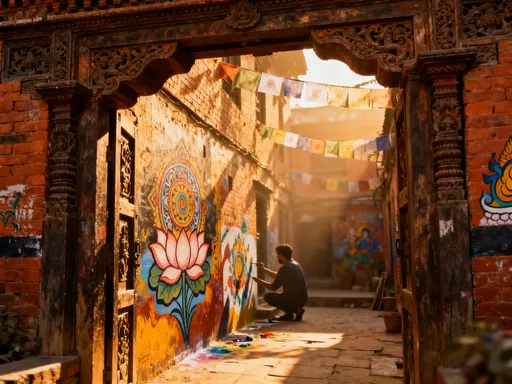
Kathmandu isn’t just temples and trekking—it’s a living canvas. Wandering its narrow lanes, I stumbled upon vibrant murals, centuries-old woodcarvings, and street artists turning chaos into beauty. The city pulses with creativity, where every courtyard tells a story and every sculpture breathes tradition. If you think Nepal is only about mountains, wait till you see its soul spilled across walls, alleys, and hidden courtyards. This is culture not locked in museums—but alive, raw, and impossible to ignore.
The Heartbeat of a City: Where Art Meets Everyday Life
Kathmandu’s urban fabric is unlike any other in South Asia—dense, layered, and deeply personal. Here, art is not reserved for galleries or special occasions; it flows through the rhythm of daily existence. From the moment the morning sun touches the gilded rooftops of Hanuman Dhoka to the flicker of butter lamps in family shrines, aesthetics and spirituality are inseparable. A typical walk through the old city reveals door frames carved with guardians and floral motifs, each detail hand-chiseled by artisans whose families have practiced the craft for generations. These are not decorative afterthoughts—they are sacred thresholds, believed to protect the home and welcome divine presence.
Even the most ordinary objects carry artistic intention. Prayer wheels lining the streets are more than tools for devotion; their surfaces are etched with intricate mantras, often framed by floral borders and protective deities. As locals spin them with practiced hands, they are not only fulfilling a spiritual act but also engaging in a centuries-old tradition of visual storytelling. The sound of metal clinking against stone, the scent of incense, and the sight of marigold garlands draped over statues all contribute to an environment where every sense is immersed in art. This seamless integration of beauty and function reflects a worldview in which the mundane and the sacred coexist in harmony.
Markets, too, become open-air galleries. Stalls selling spices, textiles, and pottery are arranged with an intuitive sense of color and form. Bright red chili mounds contrast with golden turmeric, while handwoven shawls in deep indigo and saffron hang like tapestries. Vendors often decorate their spaces with small altars or painted signs, turning commerce into an expression of identity and faith. There is no separation between art and life in Kathmandu—each informs and enriches the other, creating a city that feels both timeless and vibrantly present.
Swayambhunath and Beyond: Sacred Symbols as Living Art
Rising above the Kathmandu Valley like a beacon of serenity, Swayambhunath Stupa—commonly known as the Monkey Temple—stands as one of the most powerful examples of sacred art in action. Its whitewashed dome and golden spire are crowned with the all-seeing eyes of Buddha, painted in deep blue and gold, gazing out in all four directions. These eyes are not merely symbolic; they are a visual meditation on awareness, compassion, and the omnipresence of enlightenment. Pilgrims circle the stupa clockwise, spinning prayer wheels and murmuring mantras, their movements forming a living spiral of devotion that has continued for over 1,500 years.
The stupa itself is a masterpiece of symbolic design. The thirteen tiers of the spire represent the steps to enlightenment, while the lotus base signifies purity emerging from mud. Every element—from the flame-like pinnacle to the painted eyes—carries meaning, yet the overall effect is one of profound aesthetic harmony. This is not art designed for contemplation from a distance; it is meant to be touched, walked around, and experienced from within. Visitors climb the long staircases lined with prayer flags, their colors fading with time but their messages—wishes for peace, health, and prosperity—still carried by the wind.
Beyond Swayambhunath, the valley is dotted with temples and shrines where religious symbolism and artistic expression merge. Thangka paintings, meticulously detailed scrolls depicting Buddhist deities and cosmology, are created using natural pigments and gold leaf. Monks and lay artists spend weeks or even months on a single piece, each stroke guided by spiritual discipline and precise iconographic rules. Similarly, mandalas—geometric representations of the universe—are drawn in sand during festivals, only to be swept away afterward as a lesson in impermanence. These are not static relics but dynamic forms of art that invite participation, reflection, and transformation.
Street Art Rising: Kathmandu’s Youthful Creative Rebellion
While ancient traditions remain strong, a new wave of artistic energy is transforming Kathmandu’s streets. In neighborhoods like Jhamsikhel, Patan, and the back alleys of Thamel, young artists are using spray paint, stencils, and satire to reclaim public space and voice social concerns. These murals are not tourist-friendly decorations—they are bold, unapologetic statements about pollution, gender equality, political accountability, and cultural identity. One striking piece in Lazimpat shows a child wearing a gas mask, surrounded by wilting flowers and a skyline choked with smog, a powerful commentary on Kathmandu’s worsening air quality.
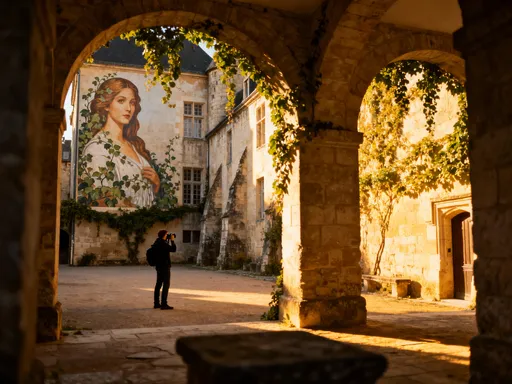
Local collectives such as Kathmandu Animal Temple and the Nepal Art Council have become incubators for this emerging scene. They organize street art festivals, workshops, and exhibitions that bring together painters, graffiti artists, and sculptors from across the country. These initiatives are especially significant for young women and marginalized communities, who are using art to challenge stereotypes and assert their place in public discourse. A mural in Bhaktapur features a woman in traditional Newari dress holding a paintbrush like a sword, her gaze steady and defiant—a visual declaration that creativity is a form of resistance.
What makes this movement particularly compelling is how it dialogues with tradition rather than rejecting it. Many artists incorporate elements of Newari architecture, Buddhist iconography, and folk motifs into their work, creating a visual language that is both modern and rooted. A recent piece near Durbar Square blends the image of a dancing goddess with circuit board patterns, symbolizing the fusion of ancient spirituality and digital modernity. This artistic evolution shows that Kathmandu’s culture is not frozen in time—it is alive, questioning, and constantly reinventing itself.
Courtyard Secrets: Hidden Temples and Forgotten Craftsmen
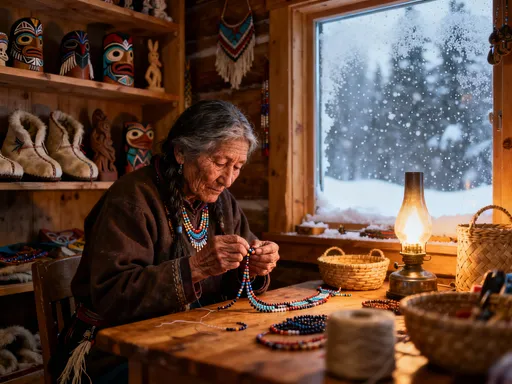
Off the beaten path, tucked behind unassuming doorways and winding staircases, lie Kathmandu’s hidden *bahals*—ancient Buddhist courtyards that serve as sanctuaries of art and craftsmanship. These spaces, often centuries old, are more than religious sites; they are living workshops where traditional skills are preserved with quiet dedication. In the dim light of a bahal in Swayambhu, an elderly woodcarver sits cross-legged on the floor, chiseling the delicate fingers of a Bodhisattva statue. His hands move with precision, guided by memory and muscle, each cut shaping not just wood but meaning.
These artisans rarely seek fame. Many work in near silence, their names unknown outside their communities, yet their contributions are irreplaceable. Woodcarving, metal casting, and clay modeling are passed down from father to son, mother to daughter, in a lineage that stretches back to the Malla dynasty. In Patan’s smaller alleys, metalworkers heat bronze in small furnaces, pouring molten metal into clay molds to create bells, ritual vessels, and statues. The process is labor-intensive and dangerous, but the results are exquisite—objects that resonate with both sound and spirit.
Yet these traditions face growing threats. Mass-produced imitations from abroad flood local markets, offering cheaper alternatives to handcrafted items. Younger generations are increasingly drawn to urban jobs or overseas work, leaving fewer apprentices to carry on the craft. Some workshops now operate only part-time, surviving on occasional commissions or tourist curiosity. Despite this, many artisans remain committed, not for profit but for pride. They see their work as a form of devotion, a way of honoring ancestors and maintaining cultural continuity. Visiting these hidden spaces is not just an aesthetic experience—it is an act of witnessing resilience.
Festivals as Performance Art: When the Streets Come Alive
In Kathmandu, festivals are not merely religious observances—they are grand, immersive performances that transform the city into a living theater. Events like Indra Jatra, Gai Jatra, and Dashain unfold in the streets, drawing entire communities into a shared spectacle of music, dance, and costume. These celebrations are deeply rooted in mythology and ritual, yet they possess a theatrical energy that feels spontaneous and deeply human. The boundaries between performer and audience blur, as children mimic dancers, elders chant along, and strangers become part of the procession.
Indra Jatra, held in late summer, is one of the most visually stunning. For eight days, the streets of Kathmandu come alive with masked dancers portraying deities, demons, and ancestral spirits. The most iconic figure is Lakhe, a fearsome demon with a red tongue lolling from a grotesque mask, who dances with wild energy to the beat of traditional drums. His performance is not entertainment—it is believed to ward off evil and restore balance. Equally captivating is the Kumari Jatra, during which the living goddess—a young prepubescent girl chosen for her purity—rides through the city in a golden chariot, blessing the people from above.
Gai Jatra, the Festival of Cows, carries a more poignant tone. Originating as a way to comfort grieving families, it has evolved into a unique blend of satire, remembrance, and resilience. Families who have lost loved ones in the past year lead cows—or children dressed as cows—through the streets, accompanied by dancers in exaggerated costumes who mock politicians and social norms. Laughter and tears coexist, reflecting a cultural understanding that joy and sorrow are part of the same cycle. These festivals are not staged for tourists; they are organic expressions of community, identity, and continuity—art forms that exist only in the moment, yet echo through generations.
Supporting Local Creativity: Ethical Ways to Engage with Art
As Kathmandu’s art scene gains attention, travelers have a responsibility to engage with it respectfully and sustainably. The most meaningful way to support local artists is through direct interaction—visiting community-run galleries, attending workshops, and purchasing handmade pieces from the creators themselves. Places like the Patan Museum Craft Studio and the Himalayan Art Council offer guided tours where visitors can meet artisans, learn about their techniques, and buy directly from them. These experiences not only provide fair compensation but also foster genuine cultural exchange.
It is equally important to avoid mass-produced souvenirs sold in tourist markets. Many so-called “handicrafts” are imported from factories in other countries, offering little benefit to local communities. Instead, seek out fair-trade cooperatives that prioritize ethical labor practices and environmental sustainability. Organizations like the Women’s Artisan Collective in Bhaktapur train women in traditional crafts and help them market their work globally, ensuring that economic empowerment goes hand in hand with cultural preservation.
Photography, too, requires mindfulness. While capturing the beauty of Kathmandu’s art is natural, it is essential to ask permission before photographing people, especially during religious ceremonies or in private workshops. A simple gesture of respect—offering a smile, a small donation, or a moment of conversation—can transform a transactional interaction into a human connection. Tourism, when done thoughtfully, becomes a form of stewardship—each visitor contributing, in their own way, to the survival of a living culture.
Why Kathmandu’s Art Scene Is Going Viral—And Why It Matters
In recent years, Kathmandu’s creative energy has begun to capture global attention, thanks in large part to social media and independent travel bloggers. Striking images of murals, festivals, and hidden courtyards circulate widely on platforms like Instagram and YouTube, drawing curious travelers eager to see the city’s artistic soul for themselves. While this visibility brings new opportunities, it also raises important questions about authenticity, representation, and cultural commodification.
The viral nature of Kathmandu’s art is not accidental. It speaks to a universal longing for authenticity in an increasingly homogenized world. In a time when cities around the globe begin to look the same—dominated by glass towers and global brands—Kathmandu stands out as a place where tradition is not preserved behind glass but lived every day. Each photograph shared online becomes a small act of preservation, drawing attention to practices that might otherwise go unnoticed.
Yet behind every viral image is a deeper narrative—one of resilience, adaptation, and cultural pride. The young muralist painting a message about climate change, the elderly woodcarver shaping a deity by hand, the dancer wearing a 300-year-old mask—these are not just subjects for a photo. They are custodians of a legacy that refuses to be erased. Their work reminds us that culture is not static; it evolves, resists, and renews itself through creativity. As more people discover Kathmandu’s hidden art alleys, they are not just witnessing beauty—they are becoming part of a story that has been unfolding for centuries.
Kathmandu’s art isn’t something you simply observe—it’s something you feel, absorb, and carry with you. In a world rushing toward uniformity, this city stands as a defiant burst of color, sound, and soul. To visit is not just to see culture, but to become part of its continuing story.